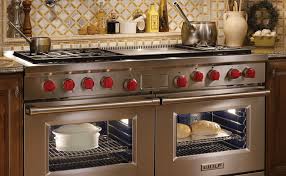
You’ve invested in a Wolf range, a significant commitment to your culinary pursuits. This isn’t just another appliance; it’s a tool designed for serious cooking, capable of delivering nuanced results that set your dishes apart. The key to unlocking this full potential lies in understanding and maintaining its precision calibration. This isn’t about magic; it’s about the meticulous engineering that ensures your Wolf performs as intended, consistently and reliably, time after time. Precision calibration is the bedrock upon which “gourmet results” are built, guaranteeing that every sear, simmer, and roast meets your exacting standards. It’s the unseen hand that translates your culinary vision into tangible, delicious outcomes. Without this foundational accuracy, even the most skilled chef can find their efforts undermined by unpredictable temperature fluctuations and inconsistent performance.
The Science Behind Wolf’s Temperature Accuracy
Wolf appliances are renowned for their unwavering commitment to temperature precision. This isn’t an accidental byproduct; it’s the result of deliberate design choices and advanced technology. You’ll find that the way Wolf approaches temperature control differs significantly from more basic models, and understanding this difference is crucial to appreciating the “gourmet results” you can achieve.
Burner Output: More Than Just Flame Height
On your Wolf gas range, the burners are engineered for more than just visual appeal. Their output is precisely controlled to deliver specific, repeatable BTU ratings. This means a simmer on your Wolf isn’t just a low flame; it’s a precisely managed heat output designed to gently coax flavors without scorching. Conversely, a high-heat setting delivers a rapid, intense burst of energy, perfect for achieving that restaurant-quality sear.
Understanding BTU Ratings and Their Impact
Each burner on your Wolf range is rated with a specific BTU (British Thermal Unit) output. This number, often found in your owner’s manual, represents the amount of heat the burner can generate per hour. A higher BTU means more intense heat. Wolf designs their burners with distinct BTU ranges to cater to a spectrum of cooking tasks. You have burners optimized for delicate sauces requiring minimal heat, and others built for rapid boiling or searing. Understanding these differences allows you to select the appropriate burner for each task, ensuring optimal results.
The Role of Gas Valves and Regulators
The precise control of gas flow to your burners is managed by high-quality gas valves and regulators. These components ensure that the gas supply is consistent and meets the burner’s designed output, regardless of minor fluctuations in your home’s gas pressure. This consistent fuel delivery is a cornerstone of Wolf’s temperature accuracy.
Oven Temperature: Electronic Precision
Your Wolf oven operates on a different principle than traditional ovens. It relies on sophisticated electronic controls and multiple temperature sensors to maintain an incredibly stable and accurate internal temperature. This is where the term “precision calibration” truly comes into play for your oven.
The Function of Thermistors and Infrared Sensors
Wolf ovens employ thermistors, which are temperature-sensitive resistors, and often infrared sensors strategically placed within the oven cavity. These sensors constantly monitor the internal temperature and relay this information to the electronic control board. This continuous feedback loop allows the oven to make real-time adjustments to the heating elements, minimizing temperature swings.
The Impact of Convection Systems
Many Wolf ovens incorporate advanced convection systems. This isn’t just about circulating air; it’s about intelligent airflow management. The fan precisely distributes heat evenly throughout the oven cavity, eliminating hot spots and ensuring that food cooks uniformly. This even heat distribution is critical for achieving consistent browning and impeccable texture.
In exploring the intricacies of achieving gourmet results in culinary endeavors, one might find the article on precision calibration particularly enlightening. It delves into the importance of ensuring that kitchen appliances, such as vent hoods, operate at optimal efficiency, which is crucial for maintaining the quality of gourmet dishes. For those interested in maintaining their kitchen equipment, a related resource can be found in this article on vent hood repair, which highlights the significance of proper maintenance and calibration in achieving the best cooking results.
Maintaining Wolf’s Precision: Your Role in Calibration
While Wolf appliances are built with inherent precision, maintaining that accuracy over time is a shared responsibility between the engineering and the owner. Regular, albeit simple, maintenance practices ensure your Wolf continues to perform at its peak, delivering the “gourmet results” you expect. Ignoring these aspects can lead to gradual deviations from factory settings, impacting your cooking outcomes.
Regular Cleaning: A Foundation for Accuracy
This might seem basic, but a clean appliance is a more accurate appliance. Food debris, grease splatters, and spills can interfere with heat distribution and sensor readings. Think of it as ensuring a clear line of sight for your oven’s temperature sensors.
Burner Grates and Cooktop Surface
For your gas cooktop, keeping the burner grates clean is essential. While they are durable, accumulated food particles can impede the proper flame distribution. The cooktop surface itself, particularly around the burner assemblies, should also be kept free from buildup. This ensures unobstructed airflow and proper heat dispersion.
Oven Interior and Sensor Access
Within your oven, regular cleaning is paramount. Spills and baked-on residue can harbor odors and, more importantly, can create insulation that interferes with the even dissemination of heat and the accurate readings of internal sensors. Pay particular attention to cleaning around the oven’s temperature sensors. Your owner’s manual will provide guidance on how to access these areas safely for cleaning.
Proper Venting and Airflow
Adequate airflow is critical for both gas and electric Wolf appliances. Blocked vents can disrupt the balance of heat and air, leading to inconsistent cooking. This is an often overlooked aspect of appliance maintenance that directly impacts performance.
Understanding Cooktop Venting
Your Wolf cooktop has specific venting requirements. These vents are designed to allow for the proper combustion of gas and the dissipation of heat and byproducts. Ensuring these vents are clear of obstruction – whether by cookware, towels, or accumulated debris – is vital for safe and accurate operation.
Oven Venting and Moisture Management
Wolf ovens have strategically placed vents to manage moisture and heat. These vents play a crucial role in achieving proper browning and crisping. Over time, these vents can become blocked by food particles or grease. Consulting your manual for recommended cleaning procedures for these vent areas will contribute to maintaining oven performance.
Troubleshooting Common Calibration-Related Issues
Even with meticulous care, you might encounter situations where your Wolf appliance doesn’t seem to be performing with its usual precision. Understanding the potential causes and how to address them empowers you to maintain “gourmet results.”
Inconsistent Heating on the Cooktop
If you notice hot spots or uneven cooking on your gas cooktop, it often points to an issue with the burner functionality or a blockage.
Uneven Flame Pattern
An uneven flame pattern from a burner can indicate a clogged port or a misaligned burner cap. The ports are small openings through which the gas flows and ignites. If these become clogged with food debris, the flame will be uneven, leading to inconsistent heat. Misaligned burner caps can also disrupt the flame.
The Impact of Dirty Burner Ports
Dirty burner ports are a common culprit for uneven cooking. Over time, spills and splatters can bake onto the burner head, blocking some of the gas ports. This results in a weaker or uneven flame. Regular cleaning, as mentioned previously, is the primary preventative measure.
Oven Temperature Discrepancies
If your baked goods are consistently undercooked, overcooked, or unevenly browned, it suggests a potential issue with your oven’s temperature calibration.
Oven Calibration Settings
Modern Wolf ovens often have a user-adjustable oven calibration setting. This feature allows you to fine-tune the oven’s displayed temperature to compensate for minor deviations that may occur over time. Consult your owner’s manual for instructions on how to access and adjust this setting. It is typically a small offset, often in increments of 5 or 10 degrees Fahrenheit.
The Role of Door Seals
A compromised oven door seal can lead to significant heat loss. This forces the oven’s heating elements to work harder and more often to maintain the set temperature, resulting in temperature fluctuations and uneven cooking. Inspect your door seal for any signs of damage, wear, or debris.
Please Find in the Google Maps the location of the nearest coffee shop: Find in the Google Maps.
Proactive Measures for Long-Term Precision
Investing in your Wolf appliance extends beyond the initial purchase. Taking proactive steps to ensure its long-term calibrated performance will safeguard your culinary endeavors and the investment itself.
Understanding User-Adjustable Settings
Beyond temperature calibration, your Wolf appliance may have other user-adjustable settings that contribute to its overall performance. Familiarizing yourself with these can ensure you’re utilizing the appliance to its full capabilities.
Cooktop Burner Simmer Settings
Some Wolf cooktop burners offer adjustable simmer settings that go beyond simply turning down the flame. These might involve specific pre-programmed low-heat cycles designed for delicate tasks. Understanding how to engage these settings optimizes your ability to perform precise simmering.
Oven Cooking Modes and Their Calibration
Wolf ovens often feature a variety of cooking modes, such as bake, broil, roast, and convection bake. Each of these modes is calibrated to perform optimally for its intended function. Understanding the nuances of each mode, and how their calibration aids in achieving specific results, enhances your cooking repertoire.
When to Seek Professional Calibration
While you can perform many maintenance tasks yourself, there are instances where professional intervention is necessary to restore precise calibration. Recognizing these situations is key to avoiding further issues.
Persistent Temperature Inaccuracies
If, after cleaning and adjusting user-calibration settings, your oven consistently runs too hot or too cold, it’s likely time to call a qualified service technician. This could indicate an issue with the heating elements, temperature sensors, or the electronic control board itself.
Unusual Noises or Performance Issues
Any unusual noises emanating from your Wolf appliance, such as grinding, clicking, or excessive humming during operation, could be indicative of a mechanical issue that affects calibration. Similarly, if a burner fails to ignite consistently or the oven fails to reach its set temperature, professional assessment is recommended.
In the quest for achieving gourmet results in culinary endeavors, precision calibration plays a crucial role, as highlighted in the article on Wolf: Precision Calibration for Gourmet Results. This meticulous approach ensures that every dish is prepared to perfection, enhancing flavors and textures. For those interested in exploring more about maintaining and repairing kitchen equipment to support these culinary goals, you can find valuable insights in a related article at Chicago App Repair. This resource offers guidance on keeping your appliances in top shape, ensuring that your gourmet cooking experience remains uninterrupted.
The “Gourmet Results” Advantage: Leveraging Precision Calibration
The ultimate payoff for understanding and maintaining your Wolf’s precision calibration is the consistent delivery of “gourmet results.” This isn’t about achieving perfection through luck; it’s about relying on a well-calibrated instrument to execute your culinary intentions flawlessly.
Achieving Superior Sear and Crust
Precise temperature control on your Wolf cooktop is essential for achieving that coveted, deeply browned sear on meats and vegetables. The ability of the burners to deliver and maintain intense heat quickly sears the exterior, locking in juices and developing complex flavors.
High-Heat Searing Techniques
For techniques like searing steaks or scallops, the consistent high heat delivered by your Wolf burners is paramount. Any fluctuation in temperature can result in uneven searing, leading to a less appetizing texture and flavor profile. Precisely calibrated burners ensure a uniform, aggressive sear across the entire surface of your food.
Developing Crispy Textures
In your oven, precise temperature and even heat distribution are critical for developing crispy textures in dishes like roasted vegetables, chicken skin, or baked goods. Calibrated convection systems ensure that hot air circulates effectively, promoting dehydration and crisping without burning.
Mastering Delicate Sauces and Simmering
Precision calibration extends to the lowest heat settings as well. The ability of your Wolf gas burners to maintain a stable, gentle simmer is crucial for developing complex flavors in sauces, reducing liquids without scorching, and poaching delicate ingredients.
Gentle Reduction and Flavor Infusion
When making delicate sauces or reducing wines, a stable, low simmer is indispensable. Your Wolf’s calibrated burners allow you to maintain this gentle heat without the risk of boiling over or burning the bottom of the pan. This consistent low heat allows flavors to meld and deepen effectively.
Poaching and Low-Temperature Cooking
For techniques like poaching fish or eggs, or for slow-cooked dishes where precise temperature is critical, the calibrated low-end performance of your Wolf appliance is invaluable. It provides the stability needed to ensure these delicate processes are executed perfectly.
Uniform Baking and Roasting
The precision calibration of your Wolf oven directly translates to uniformly baked goods and roasted meats. Consistent temperatures mean predictable outcomes, eliminating the guesswork and frustration often associated with less accurate ovens.
Even Browning and Doneness
Whether you’re baking a cake, cookies, or roasting a chicken, even browning and consistent doneness are hallmarks of a well-calibrated oven. Your Wolf’s sophisticated temperature control system ensures that heat is distributed evenly, eliminating the need for constant rotation of baking sheets and enabling you to achieve consistent results.
Predictable Results, Every Time
The true advantage of precision calibration is predictability. You can trust your Wolf appliance to perform as expected, allowing you to focus on the creative aspects of cooking rather than on compensating for appliance inconsistencies. This reliability is what transforms good cooking into truly gourmet results.
FAQs
What is Wolf Precision Calibration?
Wolf Precision Calibration is a feature in Wolf cooking appliances that ensures precise and accurate temperature control for gourmet cooking results.
How does Wolf Precision Calibration work?
Wolf Precision Calibration uses advanced technology to calibrate the temperature settings of the cooking appliance, ensuring that the actual temperature matches the set temperature for precise cooking.
What are the benefits of Wolf Precision Calibration?
The benefits of Wolf Precision Calibration include consistent and accurate cooking results, enhanced flavor development, and the ability to achieve gourmet-quality dishes with ease.
Which Wolf cooking appliances feature Precision Calibration?
Wolf Precision Calibration is available in select Wolf cooking appliances, including ovens, ranges, and cooktops, providing professional-grade precision for home cooks.
Is Wolf Precision Calibration easy to use?
Yes, Wolf Precision Calibration is designed to be user-friendly, allowing home cooks to achieve gourmet results with ease and confidence.