
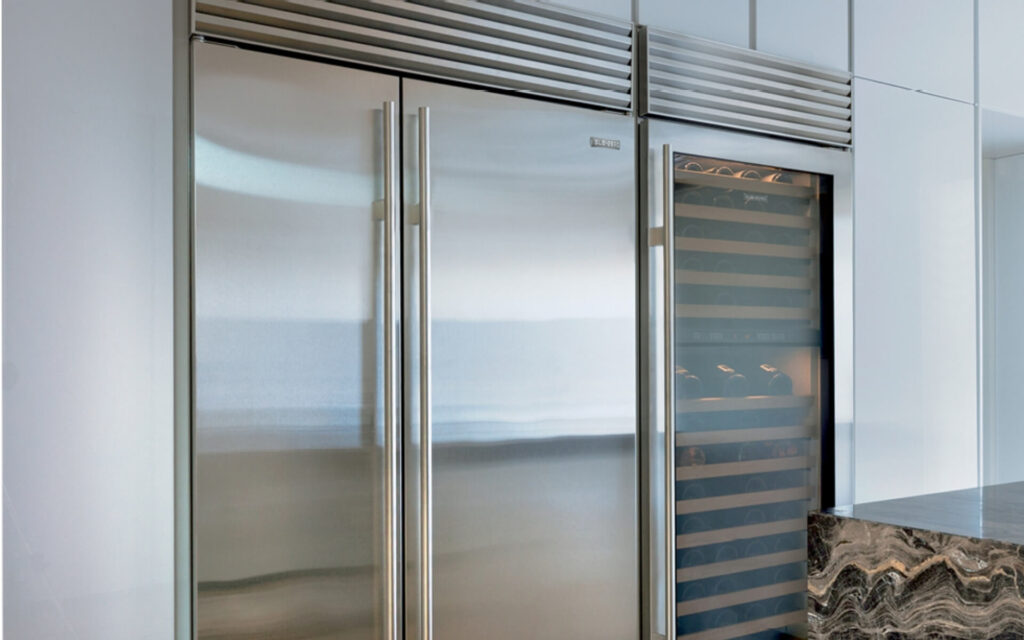
Investing in a Sub-Zero refrigerator is a major commitment to high-end culinary preservation. When these advanced appliances encounter issues, homeowners naturally worry about repair bills. Because Sub-Zero appliances feature premium engineering—such as dual refrigeration systems, advanced air purification, and highly precise temperature management—fixing them requires a level of detail and specialization far beyond standard household fridges. Consequently, the cost of restoration reflects the premium nature of the appliance.
The total repair invoice is rarely a flat rate. Instead, it is a combination of the specific malfunction, proprietary parts pricing, diagnostic assessments, and specialized labor.
Analyzing Expenses by Malfunction Type
The primary factor driving your repair bill is the nature of the mechanical or electrical failure itself. Minor component issues are relatively inexpensive, while deep system failures require extensive technical labor.
Cooling System Malfunctions
Cooling issues represent some of the most critical and potentially expensive repairs for a Sub-Zero unit.
- Compressor Replacement: As the heart of the refrigeration system, a failing compressor demands high-level technical expertise. Replacing a Sub-Zero compressor generally costs between $800 and $1,500 due to the cost of the proprietary part and the intensive labor required.
- Sealed System Refrigerant Leaks: Locating a microscopic leak in a sealed system is highly complex. Detecting the leak, repairing the breach, and recharging the coolant typically totals between $300 and $800.
- Fan Motor Failures: The evaporator and condenser fan motors circulate air and dissipate heat. When a fan motor breaks down, you can expect replacement costs to range from $250 to $500.
Defrost System Failures
Sub-Zero units utilize automatic defrost cycles to keep ice from insulating the cooling coils. If this system fails, frost quickly builds up and chokes off airflow.
- Defrost Heater Element: If the heating element breaks, ice accumulates directly on the evaporator coils. Replacing this individual part generally runs between $200 and $400.
- Control Board or Defrost Timer: The electronic control board serves as the brain of the appliance. If it malfunctions and disrupts the defrost cycles, replacing the board or timer can range from $300 to $700 depending on your specific model.
Plumbing and Ice Dispenser Issues
Models with built-in ice makers and water dispensers feature intricate internal plumbing systems that require targeted fixes.
- Water Filter Head Assemblies: Clogs or physical cracks in the water filter housing will disrupt water flow or cause localized leaks. Fixing these assemblies usually costs between $150 and $350.
- Ice Maker Assembly Replacement: A complex sub-assembly like the ice maker can experience mechanical timing failures or faulty solenoids. Completely replacing or rebuilding the ice maker mechanism generally costs between $400 and $700.
Door Seals and Hardware
Even heavy-duty doors can eventually experience wear and tear, directly impacting the appliance’s overall energy efficiency.
- Door Gaskets: Torn or warped magnetic seals allow warm ambient air inside, causing frost and forcing the compressor to run continuously. Replacing a single door gasket typically costs between $150 and $300.
- Hinges and Mechanics: Stiff, sagging, or broken hinges prevent a heavy door from closing flush. Standard hinge repairs fall into the $200 to $400 range.
Diagnostic Fees, Specialized Parts, and Expert Labor
Understanding the base expenses associated with specialized service can help you interpret your final itemized invoice.
The Diagnostic Fee
Before any manual repair begins, a technician must run specialized diagnostics. Homeowners should anticipate an initial diagnostic fee between $100 and $250. Most reputable repair companies will apply this fee toward your total labor balance if you choose to move forward with the recommended repair.
Premium Proprietary Components
Sub-Zero builds its reputation on longevity, which relies on high-quality, exclusive parts. You cannot swap in generic or universal components. Because these parts must be sourced directly from authorized distribution channels, they carry a premium price tag. Furthermore, parts for older or rare models may not be locally stocked, resulting in factory lead times that span from a few days to several weeks.
Factory-Trained Labor Rates
A standard appliance technician may lack the training required to navigate a Sub-Zero’s complex dual-compressor setups. Hiring a factory-certified expert guarantees an accurate diagnosis, preventing future compounding failures. These specialized technicians command higher rates, typically charging between $100 and $200 per hour. Additionally, service dispatch fees to bring a specialist to your home average between $75 and $150, which are often absorbed into the overall project bill.
Choosing Between Repair and Full Replacement
Deciding whether to fix your current refrigerator or purchase a new one requires looking at the age of the machine alongside the estimated quote.
When Repairing Makes Financial Sense
Sub-Zero appliances are engineered to last 20 years or more with proper care. Repairing the unit is almost always the smarter financial move if the total quote is less than 50% of the cost of a new model.
- The refrigerator is less than 8 to 10 years old.
- The issue is isolated to a single component like a fan motor or defrost timer.
- Replacement components are readily available without long manufacturing delays.
When a New Unit is the Better Investment
If the cost to fix your unit climbs past 50% to 70% of the price of a brand-new model, it may be time to retire the appliance. Replacement becomes the logical choice under specific conditions:
- The unit is more than 15 years old and uses outdated, less energy-efficient technology.
- The system is experiencing multiple major component failures at the same time (e.g., a broken compressor combined with a leaking sealed system).
- Vital replacement parts have been discontinued by the manufacturer.
Protecting Your Investment and Saving on Costs
You can minimize out-of-pocket expenses by confirming your current warranty status and executing basic preventive care.
Reviewing Warranty Coverages
Always check your active coverage before paying out of pocket. Factory warranties from Sub-Zero often cover full parts and labor for the first few years, with extended coverage spanning up to five or twelve years for the sealed refrigeration system. Third-party extended warranties can also cover these expenses, though you must carefully review your specific deductibles and filing guidelines.
The Financial Benefits of Preventive Maintenance
Proactive maintenance keeps minor wear from cascading into a catastrophic system failure. Implementing a consistent care schedule preserves the operational health of your kitchen’s centerpiece.
- Annual Professional Inspections: A yearly checkup allows a technician to catch slow refrigerant leaks or failing electronics early.
- Cleaning the Condenser Coils: Dust and pet hair insulate the condenser coils, forcing the compressor to run hotter and work harder. Regularly clearing these coils protects the system from premature burnout.
- Gasket Inspections: Keeping magnetic door seals clean ensures the cabinet stays perfectly sealed against outside air.
- Timely Filter Replacements: Changing the water filter at recommended intervals protects the internal valves from sediment buildup and strain.
Balancing the costs of precision parts and expert labor allows you to manage Sub-Zero repairs with total confidence, extending the lifespan of your luxury appliance for years to come.