
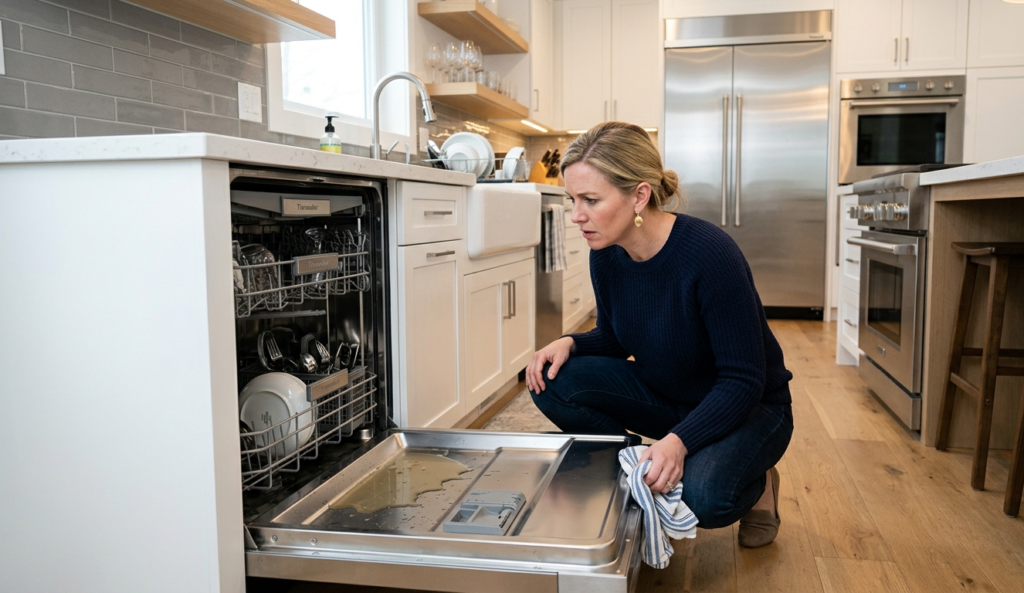
Dealing with a Thermador dishwasher not draining water can be frustrating, especially when standing water starts to build up at the bottom of the unit. This not only affects cleaning performance but can also lead to unpleasant odors and potential damage if left unresolved.
Thermador dishwashers are designed for efficiency and reliability, so when drainage issues occur, they usually indicate that a specific component needs attention. In many cases, the problem starts small and becomes more noticeable over time.
If you are dealing with this issue, working with a trusted appliance repair provider like Chicago Appliances Repair can help ensure the problem is diagnosed and resolved properly.
Understanding what causes drainage problems can help you identify the issue early and determine whether it is something you can check yourself or if professional repair is needed.
Common Signs Your Thermador Dishwasher Is Not Draining
Before troubleshooting, here are a few signs to watch for:
- Water pooling at the bottom after a cycle
- Dishes not fully clean or still dirty
- Unusual gurgling or draining sounds
- A bad odor coming from the dishwasher
- The cycle finishes but water remains inside
If you notice any of these, your dishwasher may not be draining properly.
1. Clogged Dishwasher Filter
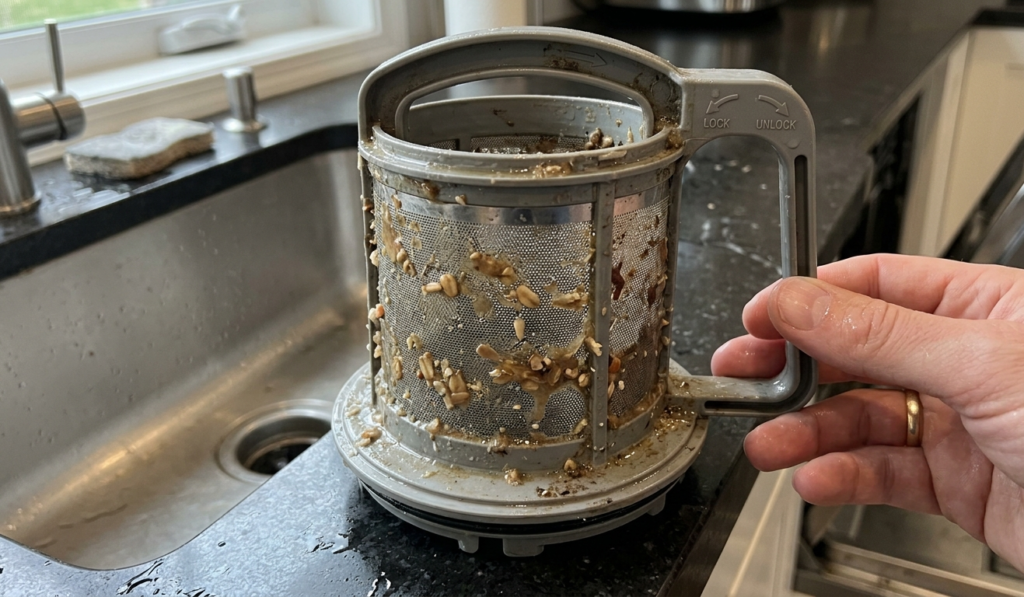
One of the most common reasons a Thermador dishwasher not draining water is a clogged filter.
Food particles, grease, and debris can build up over time and block proper drainage.
What to check:
- Remove and inspect the filter
- Clean off any debris
- Rinse thoroughly under running water
Regular cleaning can help prevent this issue.
2. Blocked Drain Hose
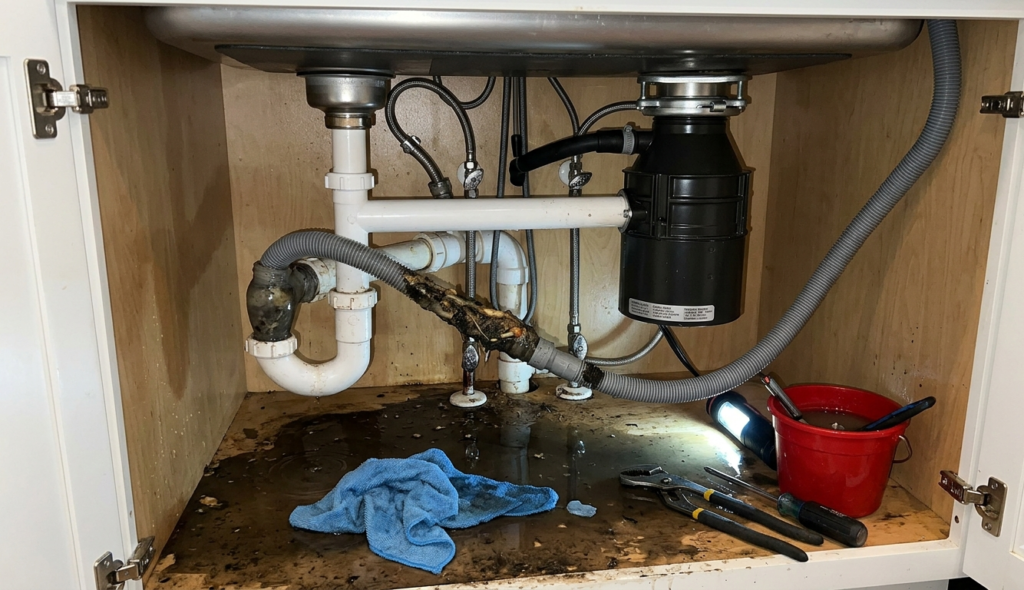
The drain hose is responsible for carrying wastewater out of the dishwasher. If it becomes clogged or kinked, water cannot flow out properly.
Signs to look for:
- Water remaining after every cycle
- Slow draining
- Gurgling sounds
Check for visible bends or blockages. If the hose is clogged internally, it may need cleaning or replacement.
3. Faulty Drain Pump
The drain pump pushes water out of the dishwasher. If it fails, the appliance will not drain properly.
Common symptoms:
- Standing water after cycles
- Unusual humming or grinding noises
- No draining at all
This type of issue usually requires professional repair.
4. Air Gap or Garbage Disposal Issues
If your dishwasher is connected to an air gap or garbage disposal, blockages in these areas can affect drainage.
What to check:
- Air gap for debris buildup
- Garbage disposal connection
In some cases, a newly installed disposal may still have a knockout plug blocking the connection.
5. Control Board or Sensor Problems
Modern Thermador dishwashers rely on electronic systems to control cycles. If these components fail, the dishwasher may not drain correctly.
Possible signs:
- Cycle completes but water remains
- Inconsistent operation
- Error codes
These issues typically require professional diagnosis.
What You Can Safely Check at Home
Before calling for repair, you can try a few simple steps:
- Clean the dishwasher filter
- Check the drain hose for kinks or blockages
- Run a short cycle to test performance
- Ensure the garbage disposal is clear
These basic checks can resolve minor issues.
When to Call a Professional
If your Thermador dishwasher not draining water after basic checks continue, it may indicate a more serious issue, such as a faulty drain pump, internal blockage, or control system problem.
Recurring drainage issues, unusual noises, or water remaining after multiple cycles are clear signs that professional inspection is needed. Attempting to fix internal components without proper tools can lead to further damage or safety risks.
Working with a trusted appliance repair service is important to ensure the issue is diagnosed accurately and handled safely. Experienced technicians can help identify the root cause and prevent further complications.
Maintenance Tips to Prevent Drainage Issues
Regular maintenance can help avoid future problems:
- Clean the filter regularly
- Avoid overloading the dishwasher
- Remove excess food before loading dishes
- Run cleaning cycles periodically
- Inspect hoses and connections
For a quick visual guide on cleaning your dishwasher filter and preventing drainage issues, you can watch this video:
You can also visit the official Thermador Support page for additional troubleshooting guidance specific to your model.
Common Questions
Why is my Thermador dishwasher not draining completely?
This is often caused by a clogged filter, blocked drain hose, or a faulty drain pump. Food debris, grease buildup, or small objects can restrict water flow and prevent proper drainage. In some cases, the issue may also be related to the air gap or garbage disposal connection. Identifying the exact cause early can help prevent further damage to the appliance.
Can a clogged filter stop my dishwasher from draining?
Yes, a clogged filter is one of the most common reasons a dishwasher fails to drain. When debris builds up, it blocks water from flowing out of the system properly. Regularly removing and cleaning the filter helps maintain proper drainage and improves overall cleaning performance.
How do I know if my dishwasher drain pump is bad?
If the drain pump is faulty, you may hear unusual sounds such as humming, buzzing, or grinding during the drain cycle. You might also notice that water remains inside the dishwasher after multiple cycles. Since the pump is responsible for pushing water out, any failure usually requires professional inspection and replacement.
Is it safe to use my dishwasher if it is not draining?
It is not recommended to continue using a dishwasher that is not draining properly. Standing water can lead to unpleasant odors, bacterial buildup, and potential damage to internal components. Over time, this can also affect the performance and lifespan of the appliance.
How often should I clean my dishwasher filter?
Cleaning your dishwasher filter at least once a month is recommended, especially with regular use. If you frequently wash heavily soiled dishes, you may need to clean it more often. Keeping the filter clean helps prevent clogs, improves drainage, and ensures better cleaning results.
Should I repair or replace my Thermador dishwasher?
In most cases, repair is the better option, especially if the issue is limited to a single component like the pump or hose. Thermador dishwashers are designed for durability, so fixing the problem is usually more cost-effective than replacing the entire unit. A professional assessment can help determine the best solution based on the condition of your appliance.
What You Should Do Next
If your Thermador dishwasher not draining water, addressing the issue early can help prevent more serious problems and maintain your appliance’s performance. While simple issues like clogged filters can often be resolved at home, more complex problems may require professional attention.
Our Thermador dishwasher repair service focuses on identifying the root cause and restoring your dishwasher to proper working condition. For homeowners in Chicago and nearby areas, we provide reliable service designed to get your appliance back on track without unnecessary delays.
If the issue continues after basic troubleshooting, it is best to have your dishwasher inspected by a qualified technician. Arrange a service visit today and get your appliance running properly again.