
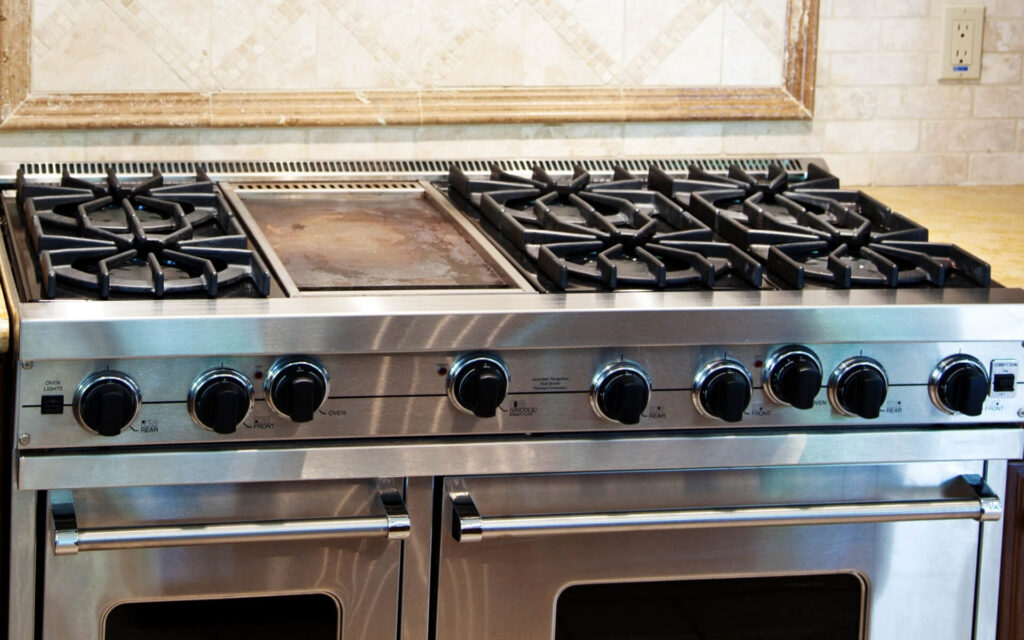
Why Your Viking Range is Breaking Down (And How a Simple Routine Can Fix It)
Viking ranges are widely considered the gold standard of luxury kitchens. They look heavy-duty, carry a premium price tag, and promise professional-grade cooking performance at home. But as a technician who sees these appliances inside and out every day, I am going to tell you the unfiltered truth: no matter what brand a range is, it is still a range.
Whether you spend $2,000 or $10,000, mechanical parts react to grease, heat, and neglect the exact same way. A luxury badge does not make an appliance immune to breaking down. In fact, many of the most common issues Viking appliance owners face are completely preventable.
If you own a Viking range or are thinking about buying one, here are the real-world problems you need to look out for and the simple steps you can take to keep them from happening.
Common Viking Range Problems Encountered in the Field
When homeowners call a technician out to service a Viking range, the issues usually fall into a few specific categories. These high-performance machines are built with precise components, which means when something goes wrong, you notice it immediately.
Burner Ignition Failures and Delays
One of the most frequent complaints is a surface burner that refuses to light, clicks continuously, or experiences a scary delay before finally igniting with a loud pop. This is almost always an issue with the spark module, the igniter electrode, or a lack of proper gas flow to the burner head.
Oven Not Heating or Temperature Fluctuations
If your oven takes hours to reach the set temperature, bakes unevenly, or fails to heat up at all, the culprit is usually a failing igniter or a faulty temperature sensor. In gas ovens, the igniter must draw a specific amount of electrical current to open the safety valve. If it weakens, the oven won’t call for gas.
Bent Door Hinges
Viking oven doors are incredibly heavy. Over time, the hinges can become strained or bent. When this happens, the door fails to pull tightly against the frame. This allows crucial heat to escape, which ruins your baking results and causes the control knobs directly above the door to become dangerously hot.
Electronics and Sensor Failures
Modern luxury ranges rely heavily on electronic control boards and sensors to maintain precise temperatures. If these components are exposed to excessive moisture or extreme ambient heat from a poorly sealing door, the circuitry can fail, leading to error codes or erratic behavior.
The Real Culprit: Unnoticed Neglect
Most people assume that when a high-end appliance fails, it must be due to a major manufacturing defect. In the vast majority of cases, that is simply not true. Most range problems are caused accidentally or go unnoticed until a part completely stops working.
The single biggest threat to a Viking range is neglected cleaning, both on the stovetop and inside the oven cavity.
When you cook, grease, oils, and food boil-overs inevitably spill onto the range. If left uncleaned, this debris doesn’t just look bad—it migrates. On the stovetop, spilled liquids and grease clog the tiny burner ports and coat the spark igniters, preventing the electrical current from creating a flame. Inside the oven, baked-on grease blankets the temperature sensors and bakes onto the igniter assemblies, insulating them and causing them to burn out prematurely.
Treating the top of a luxury range like a standard countertop and ignoring the inside of the oven creates a domino effect of mechanical failures.
How Proper Maintenance Saves Your Investment
If you want to lower the chances of experiencing a major issue and avoid expensive technician repair bills, the answer is simple: consistent, proactive maintenance. Because a Viking shares the same foundational mechanics as any other stove, keeping it clean is your best defense.
- Clean immediately after cooking: Do not let grease sit and bake onto the surface. Once the range cools down, wipe away spills before they can harden or seep into the igniter components.
- Clear the burner ports: If you notice an uneven flame or a burner that struggles to light, check the metal ports for clogs. Cleaning them gently with a non-metallic brush or a toothpick can restore proper gas flow.
- Inspect the oven door seal: Regularly check that the door closes completely and flush against the frame. If you feel heat escaping from the top of the door, it is time to have the hinges inspected or replaced before the escaping heat damages your electronic control panel.
At the end of the day, a Viking range can have the exact same problems as any other brand on the market. The difference between a range that lasts for decades and one that constantly requires repair isn’t the price tag—it’s how well you maintain it. Treat the appliance with care, keep it free of grease, and it will deliver the professional performance you paid for.